
For generations, some conversations have remained unspoken in many Gambian homes. Sensitive issues affecting girls and young women are often left to tradition, assumptions and half-understood information, leaving children without the knowledge and confidence to speak openly with their parents.
But in Kartong, a community in the West Coast Region of The Gambia, that silence is beginning to give way to dialogue.
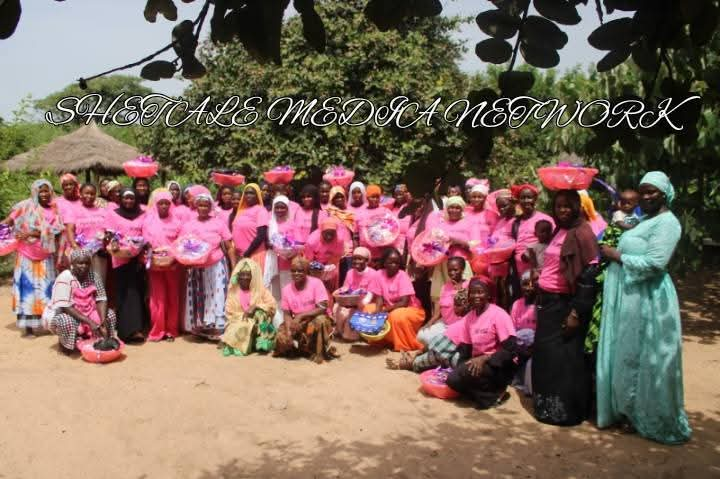
On Saturday, 24 October 2026, The Girls’ Agenda, in partnership with AmplifyChange, convened its first Family Forum, bringing together mothers and daughters to discuss some of the most pressing issues affecting families and communities, including female genital mutilation (FGM), teenage pregnancy, sexual and gender-based violence (SGBV), and child rights and protection.
The forum provided a safe and inclusive space for parents and daughters to share experiences, confront misconceptions, ask difficult questions and listen to perspectives that are not always welcomed in everyday family conversations.
At its heart was a simple but powerful message: protecting children begins with listening to them.
Breaking the silence within families
For Sariba Badjie, Senior Program Officer at The Girls’ Agenda and coordinator of the AmplifyChange project, the Family Forum was born out of a need to challenge the belief that children, particularly girls, cannot openly discuss sensitive issues with their parents.
She explained that FGM remains a difficult subject in some households, where cultural sensitivities and long-standing beliefs can prevent parents and children from having honest conversations about the practice and its consequences.
“The Family Forum is an initiative by The Girls’ Agenda to bring families together and break the myth that a child is afraid to talk to a parent about issues affecting him or her, especially girls,” she explained.
Badjie said the initiative seeks to bring discussions about FGM closer to families, creating opportunities for parents to understand their children's experiences and for young people to express their concerns without fear.
Through these conversations, the organisation hopes that families will become stronger advocates for the protection of girls and children.
The first phase targets approximately five communities in Kombo South, with plans to extend the initiative to selected families in Kombo Central in a subsequent phase, potentially in early 2027.
According to Badjie, the participating communities were selected based on vulnerability and need, particularly because some remote communities have limited access to awareness-raising activities and similar interventions.
The forum targeted 50 participants, comprising 25 parents and 25 daughters.
Beyond the discussions, The Girls’ Agenda hopes to see lasting changes in attitudes and behaviour, including public declarations by parents that they will abandon FGM and protect their daughters from the practice.
Follow-up engagements will also be conducted to sustain the conversations, reinforce commitments and encourage families to share the messages with others in their communities.
A mother reflects on tradition, change and protecting the next generation
For Mbinki Touray, a resident of Kartong, the forum was an opportunity to reflect on what she had witnessed growing up, reconsider long-held beliefs and learn more about the issues affecting girls today.
She described the programme as a valuable learning experience for both parents and children, particularly the discussions surrounding FGM and the different beliefs that have historically been used to justify it.
Touray recalled how FGM was widely practised in Kartong during her childhood, with ceremonies bringing women and community members together. She also spoke about the different explanations she had heard over the years regarding the practice, including beliefs linked to tradition and religion.
Her recollections highlighted how deeply embedded social norms can become in community life, sometimes making it difficult for families to question practices passed down through generations.
However, she observed that FGM has become less common in Kartong following investigations, awareness-raising and discussions about the practice.
Reflecting on what she had learned during the forum, Touray emphasised the importance of extending the same concern and protection she would want for her own children to every child in the community.
“Whatever harmful practices I would not want for my own children, I would not want for other people's children either,” she said.
For Touray, protecting children also means being willing to guide and advise them, even when they are not members of one's immediate family.
She believes parents must create opportunities for children to learn, ask questions and make informed decisions about their future.
Her message reinforced one of the forum's central themes: ending harmful practices requires more than changing individual behaviour. It demands a collective commitment from families and communities to protect every girl.
Beyond tradition: Understanding the harm caused by FGM
While parents reflected on their experiences and beliefs, the forum also provided an opportunity to discuss the health consequences of FGM.
Mass Laye, who facilitated the session on FGM, spoke about the harmful effects of the practice on the sexual and reproductive health and rights of women and girls.
Drawing on his experience in the labour ward, he described complications he had encountered among women who had undergone FGM, including prolonged labour, severe tearing and other childbirth-related difficulties.
He explained that FGM can cause lasting physical harm and increase the risk of complications during pregnancy and childbirth, with consequences for both mothers and their babies.
His presentation sought to help participants understand that FGM is not simply a cultural practice but an issue with serious implications for women's health, dignity and well-being.
Laye also challenged the misconception that infibulation, a form of FGM involving the narrowing of the vaginal opening, can prevent teenage pregnancy.
He shared experiences of encountering girls who had undergone infibulation and subsequently became pregnant, stressing that the practice cannot be relied upon to prevent pregnancy.
His message was clear: FGM does not protect girls from teenage pregnancy; instead, it exposes them to additional risks and harm.
By confronting such misconceptions, the session encouraged parents to seek accurate information and protect their daughters through education, open communication and informed decision-making rather than harmful practices.
Speaking out against violence and harmful parenting practices
The conversations also extended beyond FGM to sexual and gender-based violence and the role parents play in shaping the lives of their children.
Mariama Sanyang, Communication Officer at The Girls’ Agenda, challenged the normalisation of violence against women and girls, particularly within homes and intimate relationships.
She noted that women experiencing physical abuse are sometimes encouraged to endure the violence rather than seek help or demand accountability.
Sanyang stressed that violence should not be ignored or excused and called for greater recognition of the seriousness of such acts.
Her message was a reminder that building safer communities requires challenging the attitudes that allow violence to continue unchecked.
Addressing mothers, she also emphasised the importance of adapting parenting approaches to the realities facing children today.
Sanyang explained that the ways children were disciplined in previous generations may not always be effective in the present context. Parents, she said, must communicate clearly with their children, helping them understand what they have done wrong and why certain behaviours are unacceptable.
She encouraged mothers to guide and discipline their daughters without resorting to aggression, confinement or derogatory language that could undermine their confidence and self-worth.
Girls, she noted, also need opportunities to socialise, learn about the world around them and develop the knowledge required to protect themselves.
Restricting children or withholding information does not necessarily keep them safe. Instead, age-appropriate education, open dialogue and responsible guidance can help them make informed choices.
Sanyang encouraged mothers to speak honestly with their children about sensitive issues, warning that incomplete information can leave young people vulnerable to confusion and harmful decisions.
She also explained the legal framework surrounding FGM in The Gambia, including the consequences associated with practicing it, reinforcing the importance of understanding and respecting the law.
A shared responsibility to protect girls
The Family Forum in Kartong demonstrated the importance of bringing parents and children into the same conversation.
When mothers share their fears and daughters express their feelings, families have an opportunity to understand one another beyond assumptions and silence. Such conversations can help parents recognise the concerns facing their children while giving young people the confidence to seek guidance and support.
But dialogue must lead to action.
For The Girls’ Agenda, the initiative is part of a broader effort to mobilise community partnerships to end FGM in The Gambia. By engaging parents, young people and other community members, the organization hopes to encourage families to challenge harmful social norms and take collective responsibility for protecting women and children.
The planned follow-up engagements will be important in ensuring that the discussions do not end when participants leave the forum. Sustained conversations can help families reflect on their commitments, share what they have learned and encourage others to reconsider practices that put girls at risk.
Ultimately, the responsibility for protecting children cannot rest on mothers and daughters alone. Fathers, religious and community leaders, educators, health workers and other stakeholders all have a role to play in creating environments where girls can grow up safely, access accurate information and exercise their rights.
The conversations in Kartong offered a reminder that change can begin at home, with a parent willing to listen, a daughter able to speak without fear and a family prepared to question harmful practices.
Because when families find the courage to talk about the issues that matter, silence loses its power—and the protection of the next generation becomes a shared responsibility.
Author: Halimatou Ceesay
Comments (0)
No comments yet. Be the first to comment!