
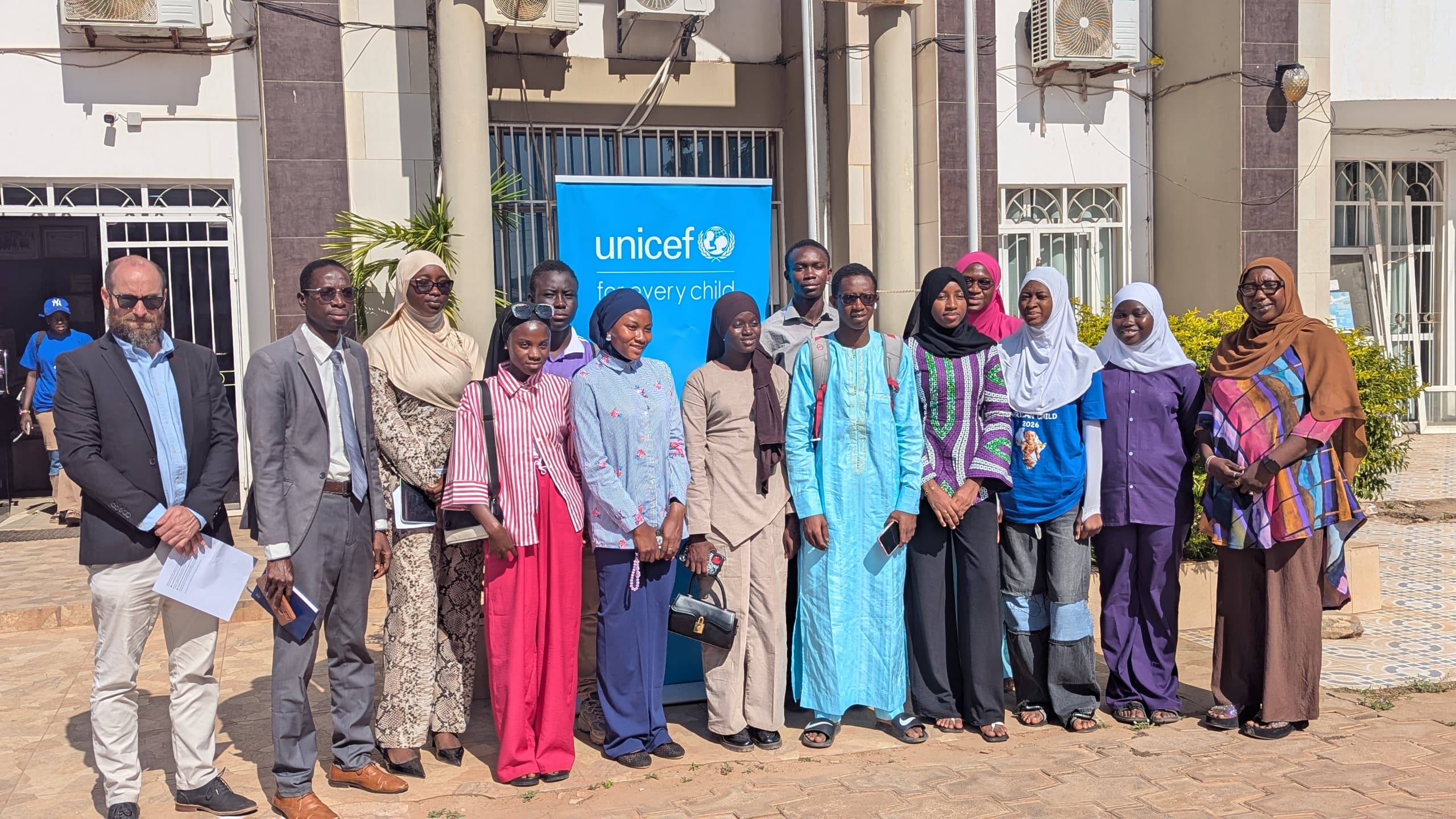
The young representatives have called on political leaders, government institutions, communities and the media to prioritise children's safety, welfare and development throughout the electoral period, stressing that children must not be overlooked in political discussions and national commitments.
The demands were presented during a child-led press conference held on November 24, 2026, at the National Human Rights Commission Office, supported by UNICEF, which provided a platform for young people to highlight challenges affecting children and call for stronger commitments to safeguarding their rights before, during and after the election.
Speaking at the event, Malick J. Bah, a UNICEF representative, underscored the important role of the media in promoting children's rights, particularly during politically sensitive periods such as elections. The representative noted that protecting children required collective responsibility and cooperation among all stakeholders.
The press conference was organised to bring children's concerns into the national electoral conversation and encourage political leaders to place their welfare and development at the centre of their policies and commitments.
Presenting the Assembly's position, Hon. Karamo said elections provided an opportunity to shape a better future for everyone, including children, whose interests and aspirations deserved equal attention.
Hon. Bintou Jaiteh explained that the Assembly had developed its 10 advocacy demands through consultations and discussions among its members. The demands cover several critical areas, including child protection, education, healthcare, mental health, disability inclusion and meaningful child participation in decision-making.
She also appealed to media organisations to amplify children's voices and ensure that issues affecting them remained visible throughout the electoral period.
Among the key demands are stronger enforcement of child protection laws, an end to child labour and street begging, and strict implementation of laws prohibiting child marriage and female genital mutilation. The young advocates also called for stronger measures to prevent sexual violence, exploitation and other forms of abuse against children.
The Assembly further urged stakeholders to intensify efforts to protect children from drug and substance abuse while improving access to quality education and healthcare services.
Other priorities include expanding services and support for children living with disabilities, giving greater attention to children's mental health, and improving access to safe water, sanitation and hygiene facilities.
The young representatives also called for increased investment in recreational and sporting facilities to support children's physical, social and emotional development. They emphasised the need to create meaningful opportunities for children to participate in decisions affecting their lives at community, district and national levels.
Hon. Ma Fanta also contributed to the discussions, highlighting the importance of addressing children's concerns and ensuring that their voices are heard in decisions that affect their present circumstances and future.
She provided a brief background to the Children's National Assembly, revealing that it was established in 2019 as a platform for children from different regions of The Gambia to express their views, identify challenges affecting them and engage with authorities and other stakeholders.
The Assembly stressed that children's participation in decision-making should go beyond symbolic representation, insisting that their opinions must be genuinely considered in matters affecting their welfare and future.
"Nothing about children should be decided without children having an opportunity to be heard," one of the representatives emphasised.
As the country approaches the 5 December presidential election, the initiative seeks to remind political leaders, electoral institutions, government agencies and communities that children's rights must remain a national priority, regardless of the political outcome.
The young advocates are calling for an electoral environment in which children are protected from harm, their rights are respected, and their voices are included in conversations about the country's future.
Their message is clear: children may not be casting ballots in the upcoming election, but they have a stake in the decisions being made today and deserve a place in shaping the future of The Gambia.
Author: Fatou C. Sanyang
Comments (0)
No comments yet. Be the first to comment!