
The event served not only as a celebration of press freedom but also as a moment of reflection on the country’s media journey—marked by resilience, sacrifice, and the enduring pursuit of truth.
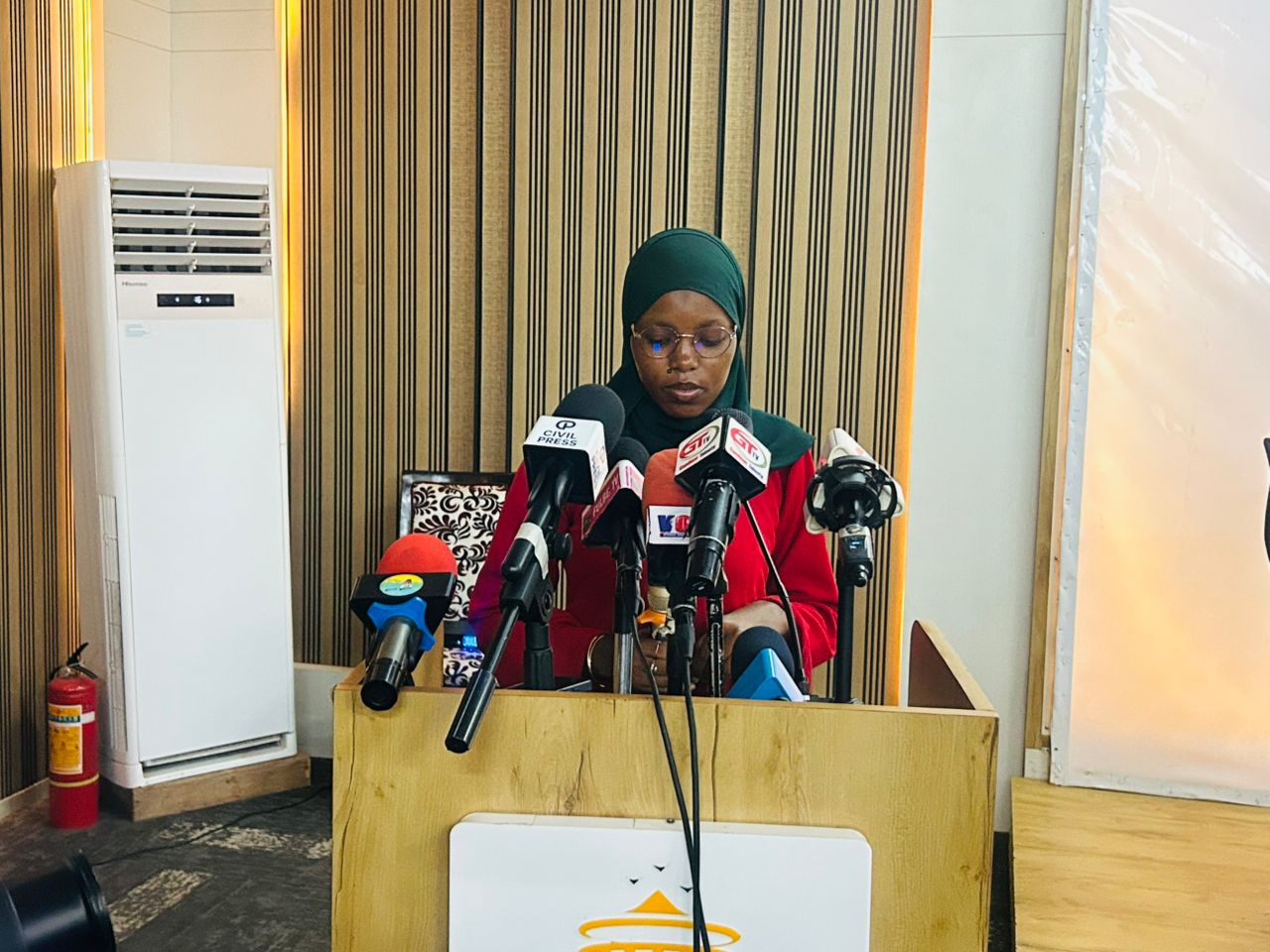
Delivering her address, GPU President Isatou Keita highlighted The Gambia’s media landscape, describing it as one shaped by “repression, resistance, and renewal.” She paid tribute to journalists who, often at great personal risk, ensured that “the voice of truth was never silenced.”
“Their legacy,” she said, “is a powerful reminder that a free and responsible press is not only a pillar of democracy but also a critical force in shaping peaceful societies.”
Keita also noted improvements in The Gambia’s standing on the Reporters Without Borders Global Press Freedom Index, where the country ranked 46th out of 180 nations and 8th in Africa in 2026. However, she cautioned that progress remains fragile.
“The Gambia could do better if we overcome current press freedom challenges,” she said, citing the lack of political will to protect journalists, incomplete media law reforms, and the emergence of restrictive laws that foster self-censorship.
She further highlighted ongoing concerns, including harassment and arrests of journalists, threats of legal action, and the limited implementation of the Access to Information Act 2021. Some outdated laws, she added, continue to be used against journalists despite the Truth Commission's recommendations for reform.
The commemoration featured a poignant video screening honouring veteran journalist Deyda Hydara, whose assassination remains unresolved decades later. His life and work were remembered as emblematic of courage and dedication to press freedom.
Human rights advocate Fatou Jagne Senghore, founder of the Centre for Women’s Rights and Leadership, emphasised the importance of preserving the memory of those who fought for freedom of expression.
“Freedom of expression is the cornerstone of democracy,” she said,
urging the state to refrain from undue interference in media operations.
Reflecting on the country’s past, she noted that during the dictatorship, independent media faced severe repression—a reality that persists in part due to outdated laws still in force. She also stressed that regulating journalists is widely rejected under international law and should not be pursued.
Representing the government, Deputy Permanent Secretary at the Ministry of Information, Media and Broadcasting Services, Ebrima Sanneh, acknowledged the role of press freedom in democratic governance.
“Promoting and protecting press freedom is fundamentally about strengthening democracy,” he said, reaffirming the government’s commitment to accountability.
The event concluded with a unified call from practising journalists, veterans, and civil society actors urging the government to refrain from interfering in the regulation of media houses and journalists.
As The Gambia continues its democratic journey, the message from this year’s commemoration was clear: honouring the past must go hand in hand with safeguarding the future of press freedom.
Author: Fatou S. Sanyang
PC: GPU President, Isatou Keita
Comments (0)
No comments yet. Be the first to comment!