
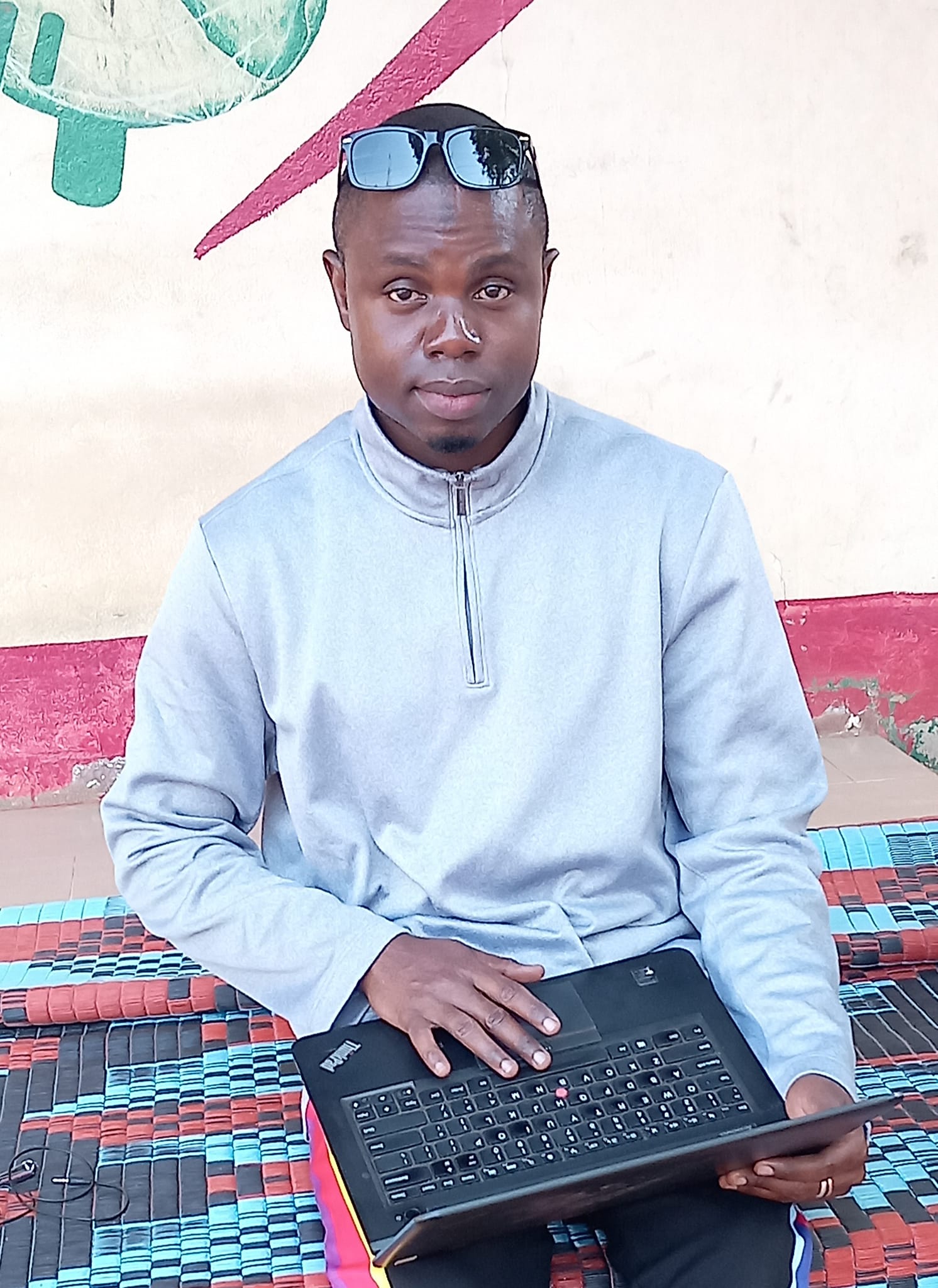
One issue, in particular, has come to define his work and personal journey: the fight against Female Genital Mutilation (FGM).
“My understanding of FGM is that it is the removal of a part of a young girl’s private part that God created in her called the clitoris,” said Saidou. “Sometimes it involves removal, and in other cases, it is followed by sealing.”
Like many in his community, Saidou did not always question the practice. Growing up, FGM was normalised—woven into the fabric of culture and tradition.
“Nobody had a problem with it,” he recalls. “I was among those who believed it was just normal because I saw it happening everywhere.”
That changed after he completed his education. Through interactions with activists and experts, including Dr. Isatou Touray, Saidou began to see FGM through a different lens. Training and discussions exposed him to the long-term health and emotional consequences faced by women and girls.
“That was when I realised how harmful the practice is,” he says.
Today, Saidou uses both his professional platform and personal voice to challenge the very beliefs he once held. Through radio talk shows and community engagement, he has become part of a growing movement pushing for change in the Upper River Region.
But speaking out has not always been easy.
“Sometimes people say, ‘You are a man, you don’t know anything about this issue,’” he says. “They tell you not to talk about it.”
Saidou disagrees. For him, FGM is not just a woman’s issue—it is a family and societal issue.
“We marry these women,” he explains. “When they suffer, we suffer too.”
He points to the realities couples face, particularly on their wedding night. In cases where a woman has undergone infibulation—where sealing is involved—additional procedures may be required before the marriage can even begin physically.
“You cannot have a normal first night,” he says. “You feel sorry for her because of the pain she is going through.”
These experiences, he argues, show that the effects of FGM extend beyond the individual, impacting relationships and family life.
Saidou also notes that complications appear to be more common today than in the past, raising further concerns about how the practice is being carried out.
“Men must be part of the conversation,” he insists. “What affects a woman affects a man, and what affects a man affects a woman.”
In many Gambian households, men play a key role in decision-making. Engaging them, Saidou believes, is essential to ending FGM. Encouragingly, he says, there has been progress.
“With the involvement of community leaders, imams, and chiefs, people can now speak more freely,” he says. “Before, that was not possible.”
These shifts are also happening within families. Saidou describes ongoing conversations with his own mother—discussions that would have been unthinkable in the past.
“She tells me FGM is part of our religion,” he says. “I don’t argue. I let her speak, and then I explain my point.”
By bridging generational divides with patience and dialogue, Saidou is helping to open minds—starting at home.
“I asked her if she would want her grandchild to go through that pain,” he says. “She said no. That is where the conversation begins.”
For Saidou, the issue is no longer theoretical—it is personal. He has made a firm decision about his own family’s future.
“My daughter, my sister, and my future grandchildren will not go through FGM,” he says.
Beyond awareness, he believes more practical steps are needed to end the practice. One key approach, he suggests, is supporting those who perform FGM with alternative livelihoods.
“You cannot just tell them to stop without helping them,” he explains. “They need support to survive.”
He also calls for a more effective communication strategy from advocates—one that goes beyond telling communities to abandon FGM, and instead clearly explains the risks and consequences.
“No parent wants harm for their child,” he says. “If they truly understand, they will change.”
Saidou is equally firm on the role of the law. While some continue to defend FGM as a cultural practice, he believes the law must take precedence.
“The law does not accept FGM, and the law is above tradition,” he says. “Tradition should not cause harm.”
Through his work at GRTS, Saidou continues to amplify these messages—hosting discussions, engaging listeners, and encouraging more men to speak up.
“Whenever I have radio programs, some people still say men should not be involved,” he says. “But if men are not part of the conversation, it will not work.”
His message is clear and direct: ending FGM requires collective action.
“I urge all men to join hands with women,” he says. “Take a stand and help end this practice.”
In Basse and beyond, Saidou Camara is proving that change can begin with a single voice—especially when that voice is heard both on air and within the community.
This story is part of the "Breaking the Silence: Voices of FGM Survivors" podcast funded by the Foundation for Women's Health, Research and Development (FORWARD UK).
Author: Kaddy Sowe
PC: Saidou Camara
Comments (0)
No comments yet. Be the first to comment!