
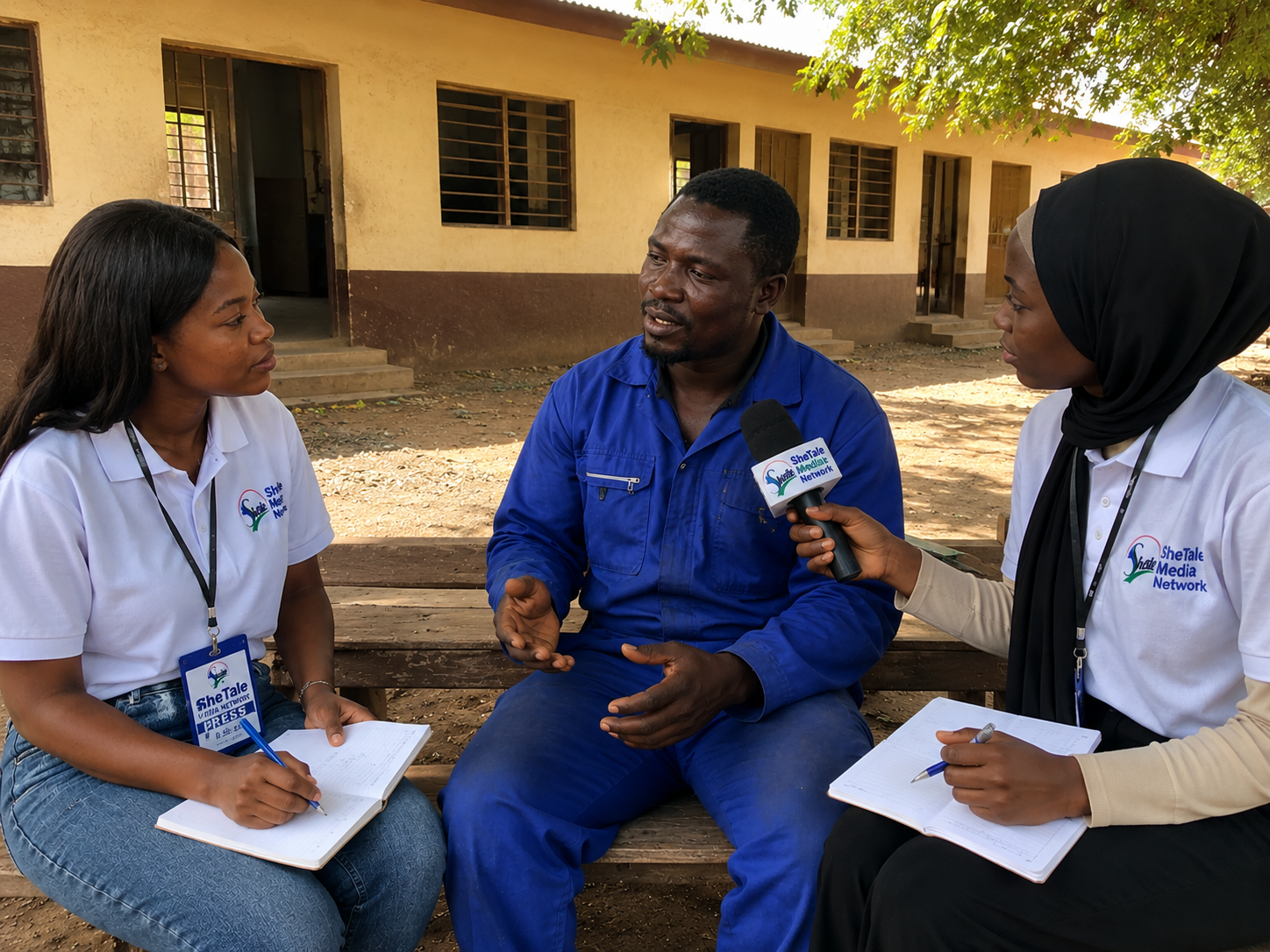
“When the Fathers Club started here, we were among the first members,” Jatta recalled proudly. “We were also the first to go around sensitising people about the importance of the club.”
Speaking to this reporter in April, 2026, Jatta vividly remembers the early trainings that opened his eyes to the challenges many families silently endure.
According to him, Father's Clubs were created to complement the work of Mothers Clubs by creating safe spaces for men to discuss family issues, support women, and challenge harmful norms.
For Jatta, one of the strongest motivations for joining the club was witnessing the emotional struggles many men face in silence.
“A man can be suffering in his home, but because he is a man, he feels ashamed to speak about it,” he explained.
“People may laugh at him or judge him.”
He believes the Fathers Club creates room for dialogue, understanding, and mutual respect within families, encouraging men to speak openly about challenges affecting their homes and relationships.
One of the most profound changes in Jatta’s life came through discussions around FGM.
He admitted that before joining the Fathers Club, he never questioned the practice because it had long been accepted as part of tradition. However, after attending community discussions and listening carefully to health experts and fellow community members, his perspective changed completely.
“That meeting was the day I became convinced that FGM should stop,” he said.
“When people explained the harm it causes to women, I realised this is something we must address seriously,” Jatta emphasised that seeking medical help is proof that harm exists.
“If something does not harm you, you do not go looking for treatment,” he explained. “The amount of suffering women go through because of FGM is too much.”
Still, he acknowledged that ending the practice is not easy because it is deeply rooted in culture and tradition. According to him, change cannot happen overnight or through force.
“Some people will agree while others will not,” he said.
“That is why we must continue talking to people patiently and explaining the effects little by little.”
Jatta believes attitudes are slowly changing in his community. He shared how discussions with his own wife reassured him that many women are also beginning to question the practice.
“I once asked my wife whether we should leave the tradition behind and follow what we learned from the Fathers Club,” he recounted.
“She told me she already believed it should stop.”
Hearing that response, he said, gave him hope that communities are gradually embracing change.
He also recalled witnessing a tragic childbirth complication involving a circumcised woman, an experience that strengthened his resolve against FGM.
“People say death is God’s decision, and that is true,” he reflected. “But sometimes there are causes we know, and when we know them, we should be careful.”
Beyond addressing FGM, the Fathers Club is also transforming ideas around parenting and shared responsibilities at home. Jatta proudly spoke about the growing number of men taking children to hospitals and supporting household responsibilities — something rarely seen in the past.
“If your wife is busy at the market and the child is sick, why should you sit and wait?” he asked.
“Take the child to the hospital. That is how peace and understanding grow in families.”
According to him, health workers are often surprised and pleased to see fathers accompanying children for treatment. He described this shift as evidence that the club’s message is reaching communities and slowly reshaping attitudes about masculinity, care, and partnership in marriage.
However, Jatta cautioned that legal measures alone will not end harmful practices. He believes communities need more education, dialogue, and alternatives rather than forceful approaches.
“If you tell people to stop doing something, you must also show them a better way,” he explained. “People need understanding, not pressure.”
Today, the Fathers Club continues to serve as a platform for difficult but necessary conversations in Basse Manneh Kunda. Through discussions held in “bantabas”, youth groups, and community gatherings, men and women are beginning to challenge old assumptions and build healthier relationships based on communication and respect.
Jatta’s final message to families is simple but powerful: patience and dialogue are the foundation of peace.
“We should normalise discussions in our homes,” he said. “When there is understanding, many problems disappear.”
This article is part of the Breaking the Silence: Voices of FGM Survivors Project, supported by the Foundation for Women’s Health Research and Development (FORWARD UK).
Author: Fatou S. Sanyang
PC: AI-Generated
Comments (0)
No comments yet. Be the first to comment!